
Intangible assets (IAS 38)


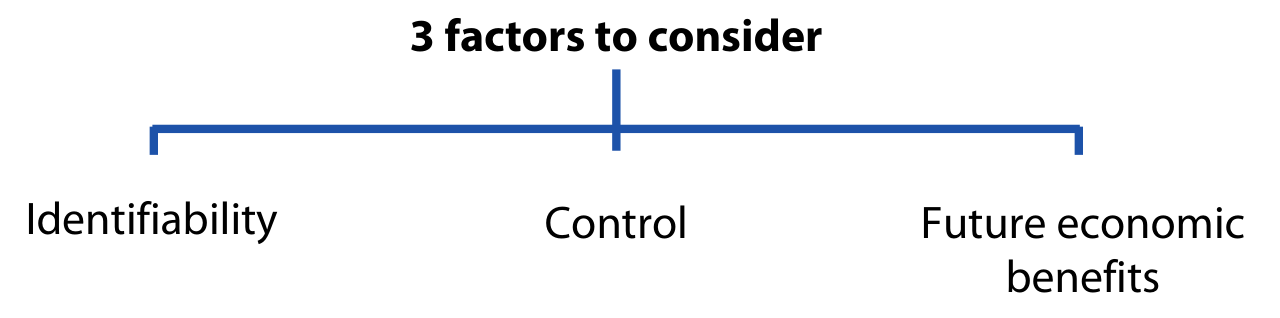
No physical substance but has value to the business.
patents
brand names
licences
1 Separate acquisition/purchase
Capitalise at cost plus any directly attributable costs (e.g. legal fees, testing costs). Amortisation is charged over the useful life of the asset, starting when it is available for use.
2 Research and development
2.1 Research
Research expenditure is charged immediately to profit or loss in the year in which it is incurred.
2.2 Development
Development expenditure must be capitalised when it meets all the criteria.
Sell/use
Commercially viable
Technically feasible
Resources to complete
Measure cost reliably (expense)
Probable future economic benefits (overall)
3 Internally generated
Internally generate brands, mastheads cannot be capitalised as their cost cannot be separated from the overall cost of developing the business.

Look at what the spending buys before capitalising it. A brand bought from someone else is an intangible asset and is amortised; spending that promotes the business — advertising and marketing of the brand — is not enhancing an asset and is an expense of the period, whatever heading it has been posted to in the trial balance. Reversing an incorrect capitalisation increases the expense, so check the direction of the adjustment as well.

Show answerHide answer

Show answerHide answer
4 Revaluation of intangible assets

Intangible assets can only be revalued if there is an active market, which is rarely seen except for examples such as production quotas or fishing licences. This is because an active market is one where identical items are traded with such regularity that they generate a price that can be used to determine the fair value.
If there is an active market then the intangible will be revalued to fair value and amortised over its remaining useful life.

Show answerHide answer
Intangible assets (IAS 38)
10 questionsAnswer the questions one at a time. Your progress is saved so you can leave and come back.
Open chapter practice