
Regulatory Framework


A regulatory framework exists to ensure that the accounting standards are prepared to meet the needs of users.
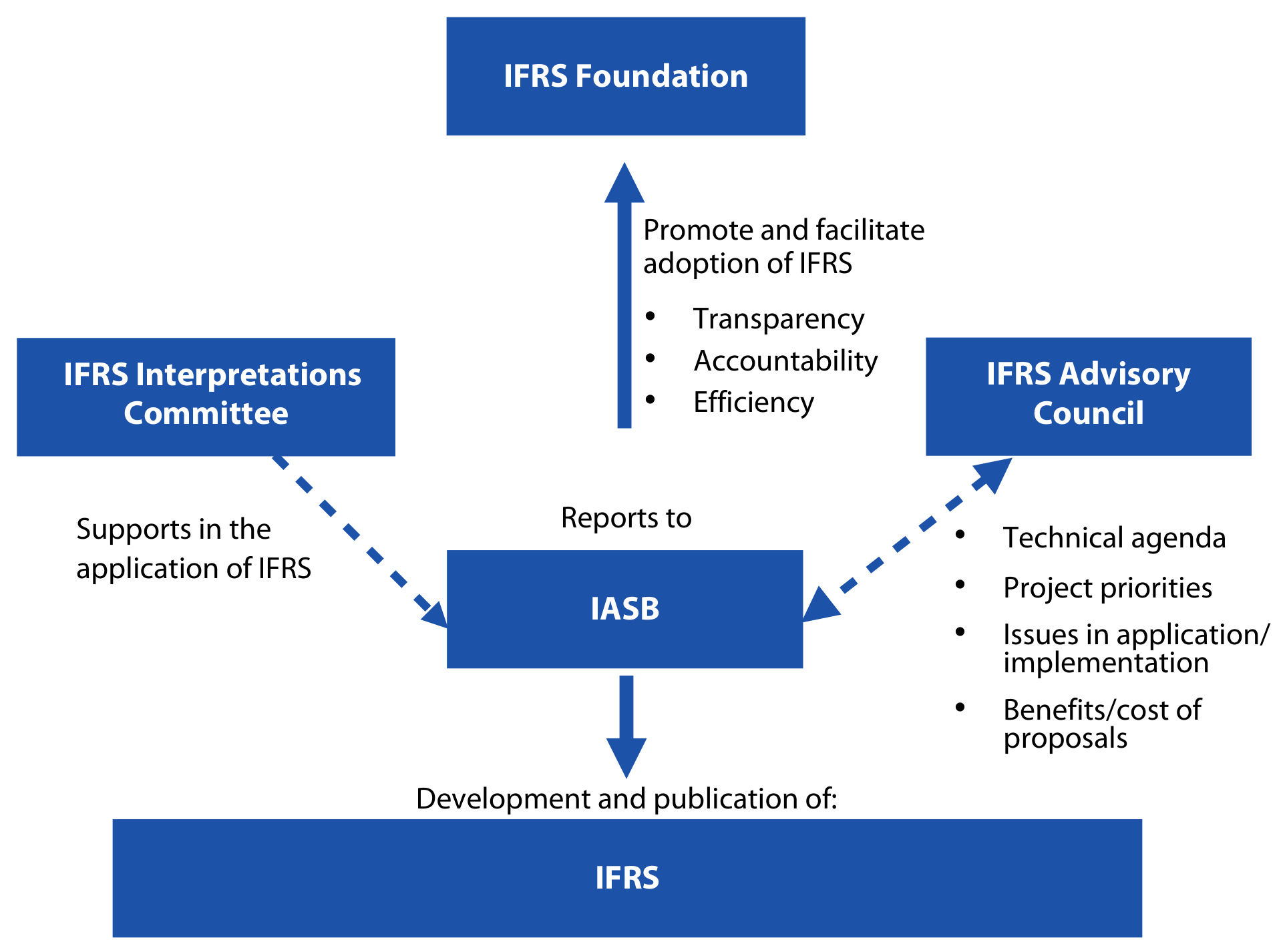
http://www.ifrs.org/about-us/who-we-are/
1 IASB work plan
Technical projects (e.g. revenue/leases/financial instruments) are all set out in the work plan (http://www.ifrs.org/projects/work-plan/), however it does not include just standard setting projects. It also includes research (evidence gathering) and maintenance (narrow scope amendments and interpretations) projects.
2 Standard setting process
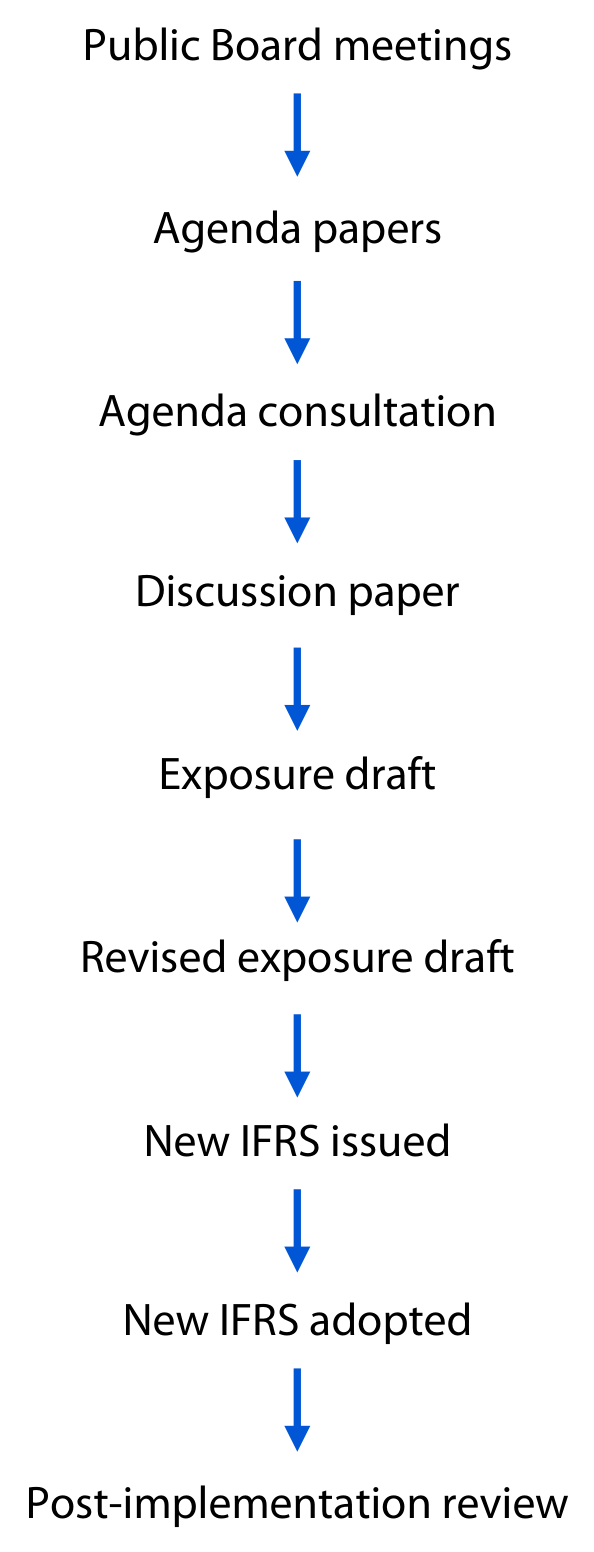
3 Purpose and the role of the International Sustainability Standards Board (ISSB)
The International Sustainability Standards Board was formally announced at COP26, in Glasgow on 3 November 2021.
It has four key objectives:
developing standards for a global baseline of sustainability disclosures.
meeting the information needs of investors.
enabling companies to provide comprehensive sustainability information to global capital markets.
facilitating interoperability with disclosures that are jurisdiction-specific and/or aimed at broader stakeholder groups.
ISSB develops standards that give high quality, comprehensive global baseline of sustainability disclosures focused on the needs of investors and the financial markets – sustainability factors are more and more a part of decisions made by investors.
Two Draft Standards were published in March 2022 and released in June 2023. Both standards were effective for periods beginning on or after 1 January 2024.
IFRS S1 General Requirements for Disclosure of Sustainability-related Financial Information
The Standard sets out the general reporting requirements related to the disclosure of material information about sustainability opportunities and sustainability-related risks. It emphasises that users of the Standards need consistency between the financial statements and sustainability disclosures.
IFRS S1 states that, an entity is required to provide disclosures about:
the governance processes, controls and procedures the entity uses to monitor, manage and oversee sustainability-related risks and opportunities;
the entity’s strategy for managing sustainability-related risks and opportunities;
the processes the entity uses to identify, assess, prioritise and monitor sustainability-related risks and opportunities; and
the entity’s performance in relation to sustainability-related risks and opportunities, including progress towards any targets the entity has set or is required to meet by law or regulation.
IFRS S2 Climate-related disclosures
The Standard sets out the disclosure requirements for material climate related opportunities and climate-related risks. The disclosure relates to physical risks, transition risks, and climate-related opportunities
Both of these Draft Standards have been developed based upon the original work done on sustainability disclosures by the Climate Disclosure Standards Board (CDSB), the Task Force for Climate-related Financial Disclosures (TCFD), and industry-based Sustainability Accounting Standards (SASB).
The regulatory framework (IASB)
10 questionsAnswer the questions one at a time. Your progress is saved so you can leave and come back.
Open chapter practice