
ACCA exam
ACCA Financial Reporting (FR)
Free ACCA FR study materials, lectures, tests and forum support.
How to pass the ACCA FR exam with OpenTuition:
- Download OpenTuition free lecture notes
- Watch OpenTuition free lectures
- Revise with our free flashcards and revision lectures
- Post your queries to the ACCA tutor
- Practice is vital!!! Go through as many questions as possible using an up-to-date Revision Kit
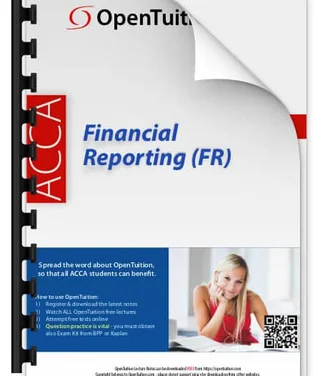
Free ACCA FR lecture notes
Open the current FR lecture notes and use them alongside the free lectures; members can download and print the PDF.
Essential ACCA links - FR
Official syllabus, guidance and technical reading for the current exam.
Free ACCA FR lectures
Watch a complete free FR lecture course in chapter order, using the OpenTuition notes as you go.
Watch free FR lecturesRecommended by OpenTuition
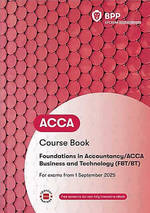
Use the BPP ACCA FR Course Book
The current BPP Course Book is recommended by OpenTuition, with a special discount for OT students.
Practice Questions
After each notes chapter, take a quick online test to check your understanding before moving on.
Start practisingFlashcards
Practise key FR terms and concepts with quick online flashcards you can use anywhere.
Open flashcardsPractice is vital!!!
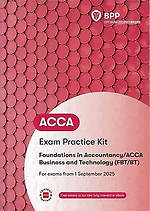
Use the up-to-date BPP Exam Practice Kit
Practise as many exam-style questions as possible with the BPP Exam Practice Kit - recommended by OpenTuition.
FR Revision Practice(New)
Practise Section A & B with a fresh CBE-style objective set, or sit one exam-standard Section C written question with optional AI marking (exclusive to OpenTuition) and a full model answer.
Open quick revisionFR Revision Mock Exam
Check exam readiness with a computer-based mock under real exam conditions. New: optional AI marking of your written answers, exclusive to OpenTuition.
Opens 1 November 2026Revision Lectures
Focused recaps to watch in the run-up to your FR exam.
Watch revision lectures
Ask the FR tutor
If you are still struggling, post your question to the tutor on the forums.
Post your question
Ask ACCA AI Tutor
24/7 availability and a FR knowledge base for quick explanations whenever you need another angle.
Ask the AI tutorArticles and exam guidance
Articles for ACCA FR
Read every OpenTuition article currently tagged to this exam.
How to Pass ACCA Financial Reporting (FR): Complete Study Guide
A detailed OpenTuition tutor guide to the FR syllabus, accounting standards, single-entity and group statements, interpretation, Section C technique and a realistic ten-week pass plan.
Read articleHow to Study for ACCA Financial Reporting (FR) Using OpenTuition
ACCA Financial Reporting (FR) develops FA into a full reporting exam. Success requires a reliable grasp of IFRS-based accounting, well-organised workings and the ability to explain the effect of accounting treatments. This tutor guide shows how to combine OpenTuition, ACCA guidance and serious question practice.
Read article